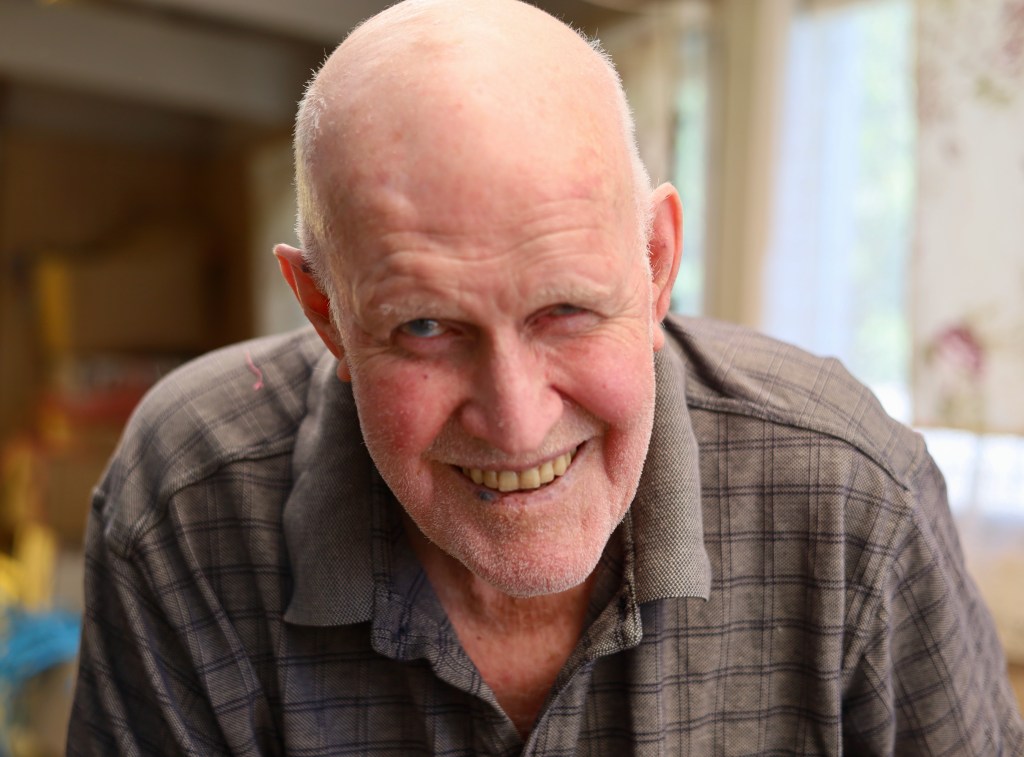
For Bill, the tradition of using twine and other discarded materials to make useful and decorative pieces began 75 years ago with his grandma Dorothy (McCarthy) Johnson. It might also be where the tradition of ‘making do’ and ‘waste-not-want-not’ began in Bill’s family; both as an appreciation for what you have, and a necessity for a life on the land.
Bill’s grandfather James Stone Johnson had served in WW1 as a Corporal with the Light Horse brigade, travelling to Gallipoli and Egypt. As part of the Army Reserve based at Osborne House Geelong during WW2 he went to the newly established Australian Defence Force base in Bandiana Wodonga, to teach the next generation of soldiers, horse handling skills. He was on his horse leading into the parade ground when he dropped dead. He was aged 52.
Bill’s grandma Dorothy was left to raise five kids on her own. There was no Legacy in those days, no financial support, so Bill’s dad William who was the eldest had to play a big role in looking after the family. He would go rabbiting, mushrooming and tended the vegetable garden to feed the family. These are another of the traditions passed on to Bill. Tending the vegetable garden is one he continues today.
Bill learned how to catch rabbits, using ferrets and nets at age two. He was making nets only a few years later.
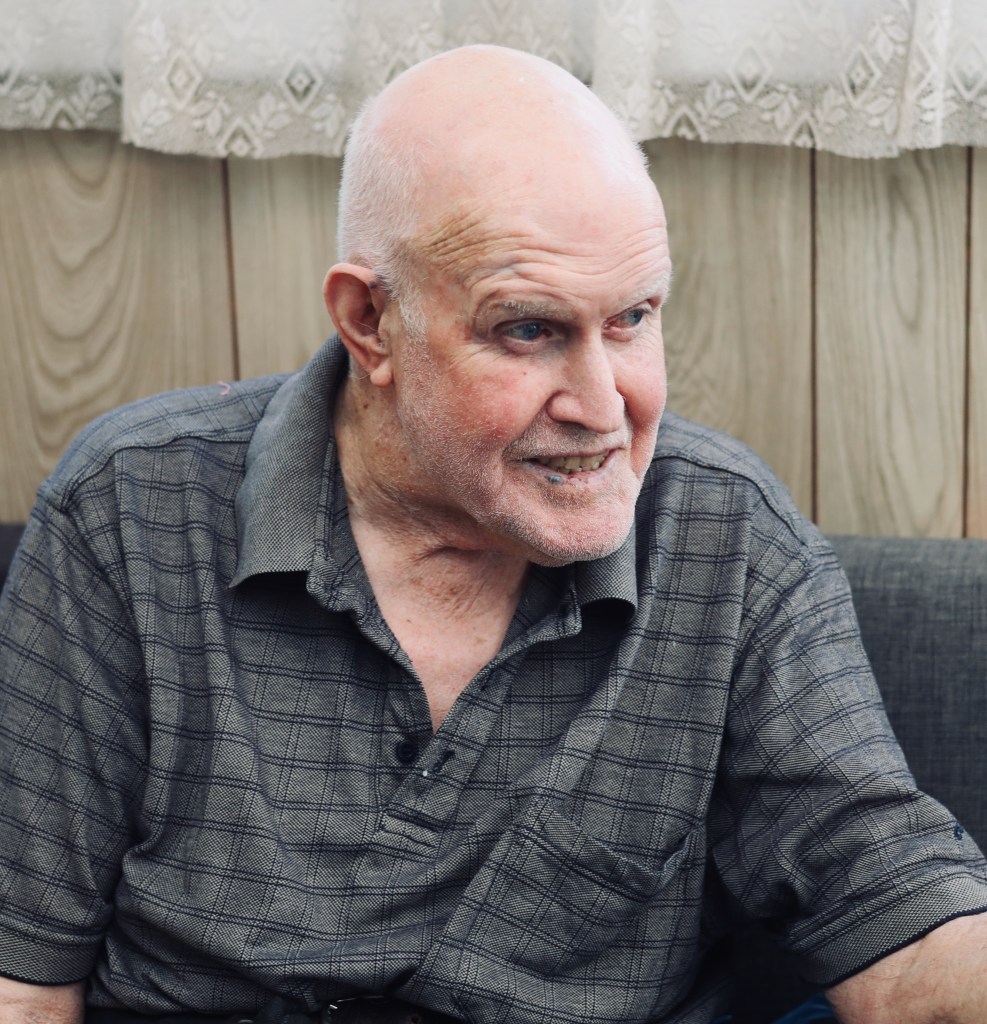
By age four or five Bill’s family lived at Carrum Downs where his dad managed a 480 acre (194 hectare) farm. They had horses on the farm. Horses have also been a strong theme in Bill’s life. He now makes the much sought after horse leads.
Bill’s grandmother, Dorothy lived in Balaclava and worked at a nearby woollen mill. Every Sunday she would catch the train into Flinders Street Station, then another to Dandenong, and a bus to Cranbourne on the South Gippsland road where Bill’s family would pick her up in their 1926 Chevrolet and bring her back to Carrum Downs for a roast lunch. She always brought a bag of wool yarn with her, left over when there wasn’t enough to make a skein. The children would earn 20 shillings untangling the wool and rolling it into balls ready to weave or braid into something useful or decorative, such as doilies. Bill was about four and a half or five when he began learning how to make things on the (weaving) jig. He was even younger when he learnt how to make Ferret nets and by the age of six he was making his own mats.
A Carrum Downs farming neighbour and friend of the family ‘Uncle Dick’ would come over to the Johnson’s house every Saturday for coffee. It was Uncle Dick who made the jig frames that the mats are made on. The one Bill currently has he made himself 20 years ago.
At age six Bill started school at nearby Lyndhurst, and in 1960 at the age of sixteen Bill started his apprenticeship in carpentry and cabinet making. During his second year his mother Amelia Agnes (Hopkins) died. Bill was aged eighteen. Bill’s mother used to sew all their clothes, using the treadle Singer sewing machine which his sister now uses. His mother also repaired the overalls for the men who worked with Bill’s father in the painting business. When she died, Bill took over the sewing work, as well as home duties, and supporting his younger siblings, a sister and two brothers who were still at school, on top of completing his apprenticeship. He said they were long and exhausting days. All the children in the family grew up to be creative and hard workers.
Bill and his wife Marjorie lived and worked on a number of farming properties and lived at Apollo Bay for nine years before coming to Portarlington. In 2013 Marjorie, Bill’s wife of “29 and a half marvellous years” passed away. Soon after, Bill moved to Indented Head. Bill’s house is adorned with Marj’s colourful crochet and knitted blankets. The house is also surrounded in examples of Bill’s many other carpentry projects over the years, including wooden wishing wells (his mother’s favourite) and planter boxes. He has done a fine turn in cubby houses and dog kennels as well.
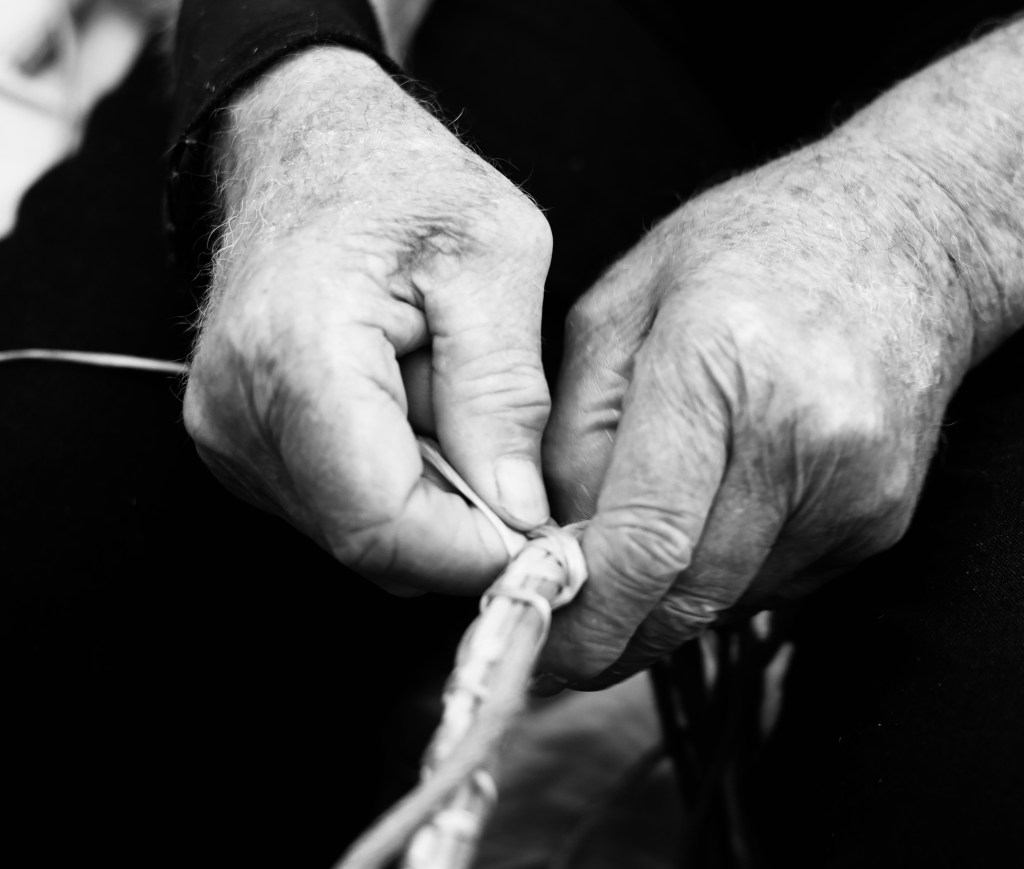
To date Bill has platted 46,000 meters of rope and made 1443 mats (Bill has an extraordinary memory for dates and numbers). A tally he keeps count of by marking them off on the side of his jig. There is five hours work in each mat. Bill also makes heavy duty leads for horses and dogs. He sells mostly at markets, and has been attending the St Leonards Foreshore Market for 24years. Bill says he enjoys the markets, and just quietly says he doesn’t mind being paid in fresh snapper on the odd occasion.
The hard-wearing synthetic twine Bill uses comes from hay bales, collected up from his contacts in horse agistment, Wallington Rural (WRG), farms in western Victoria, and one property at Inverleigh. At the Inverleigh farm Bill picks up bales of twine in 50 metre bundles. Loads of it, and all colors, but mostly blue. Pink is a much sought after color.
While Bill lives by the motto of waste not want not, and does an excellent turn in recycling; his mats and leads are so tough, people never need to buy a new one. With a chuckle Bill tells people it’s ok to throw the mats out when they get dirty – and buy a new one. For $6.00 each, a treasure of almost forgotten trades, hardwearing and an artful repurposing of waste, everyone needs at least two mats.
Bill and hand-made mats can be found at St Leonards market and at Tuckerberry’s.

