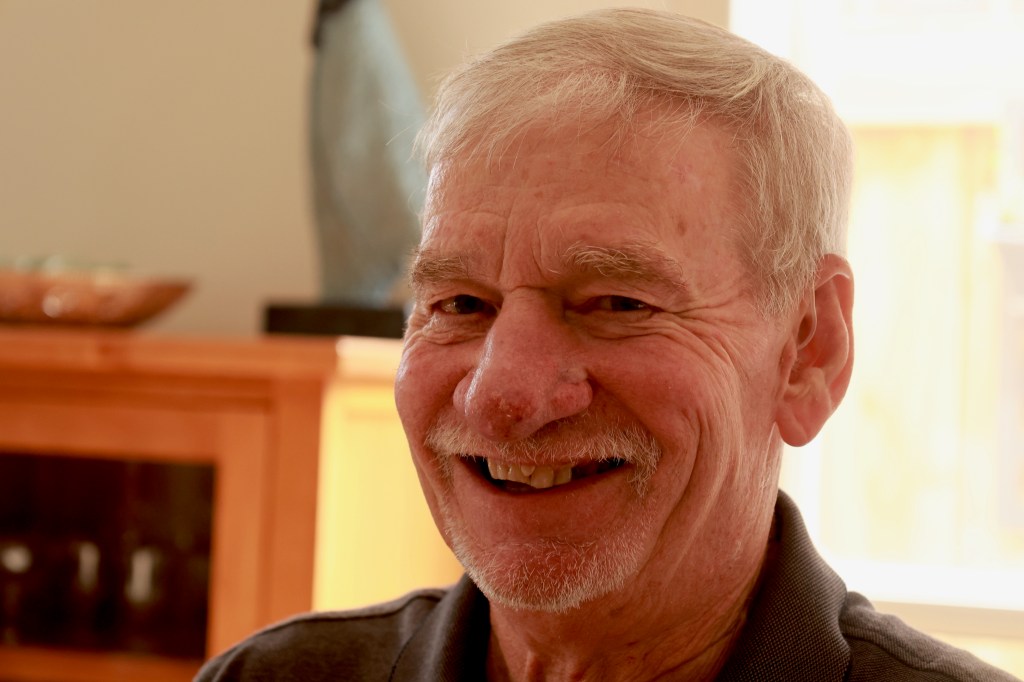
Russell’s connection to St Leonards goes back through many generations of the Gilbert family. His family story is one that tells of the early days in St Leonards, as well as their continuing presence which is reflected in a street name, an historic house, the honor board at the St Leonards Memorial Hall, the Memorial hall itself, descendants who live here now and the land on which the Sea Change Estate was built. It is also his story, and a story of present day St Leonards and of proud, personal and moving connections to Anzac Day.
Russell can trace the Gilbert side of his family back to England in the 1700s. A few generations later Francis (known by his middle name Edward) Gilbert sailed with his brother George to Australia, arriving in Melbourne in 1841. Edward married Mary Bruford, the younger sister of Martha Cassell who owned Redcliffs on the Bluff at St Leonards. Edward and Mary went on to have six children, living in Melbourne with Martha for a while before moving to Geelong in 1855 and all the time, holidaying at Redcliffs. Along the way they came up with the idea of attracting tourists to the area, and built two new homes along the Bluff – Thalatta and Thalesma c.1874. Thalatta still stands looking much like it always has, and Thalesma is no longer there.
One of Edward and Mary’s six children Edward (his actual name) was born in 1854, and educated at Geelong Grammar. When he married Mary Ann Betts – a seamstress – he was seen as having married ‘beneath his station’ and the couple was ‘shunted off to Redcliffs.’ Edward and Mary Ann had ten children and farmed the 217 acre Redcliffs property plus a further 300 running down to Swan Bay. The wattle trees which were prolific on the property were farmed for their seeds which were sent off to South Africa, and the bark which contained tannins, was striped and used to preserve ropes and fishing nets. (P. Munster, Little of Interest? Pp. 35 and 48)
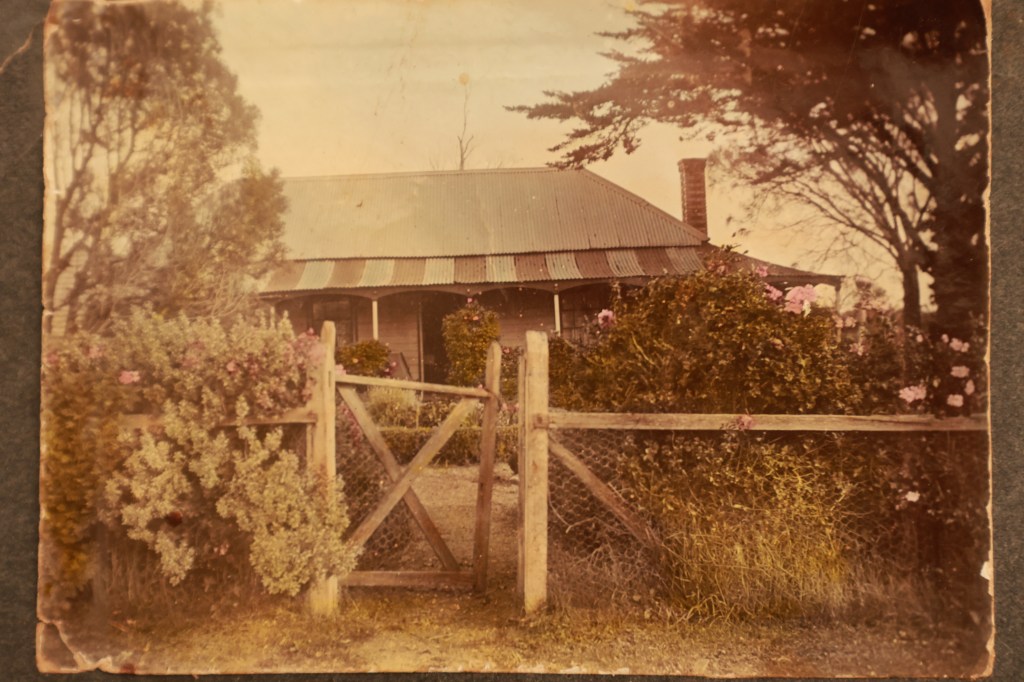
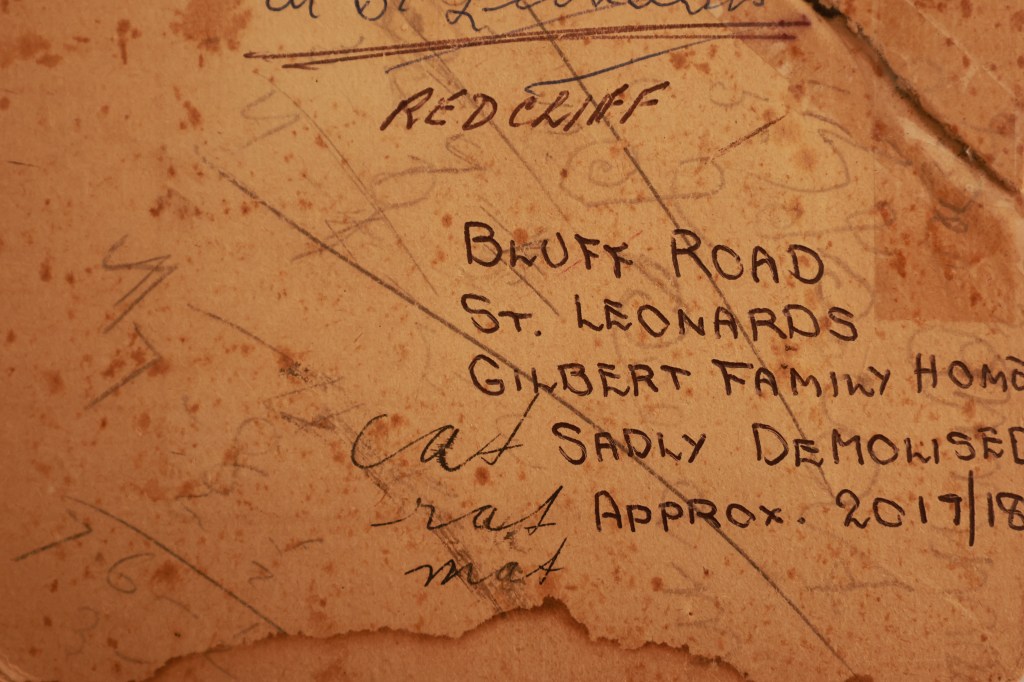
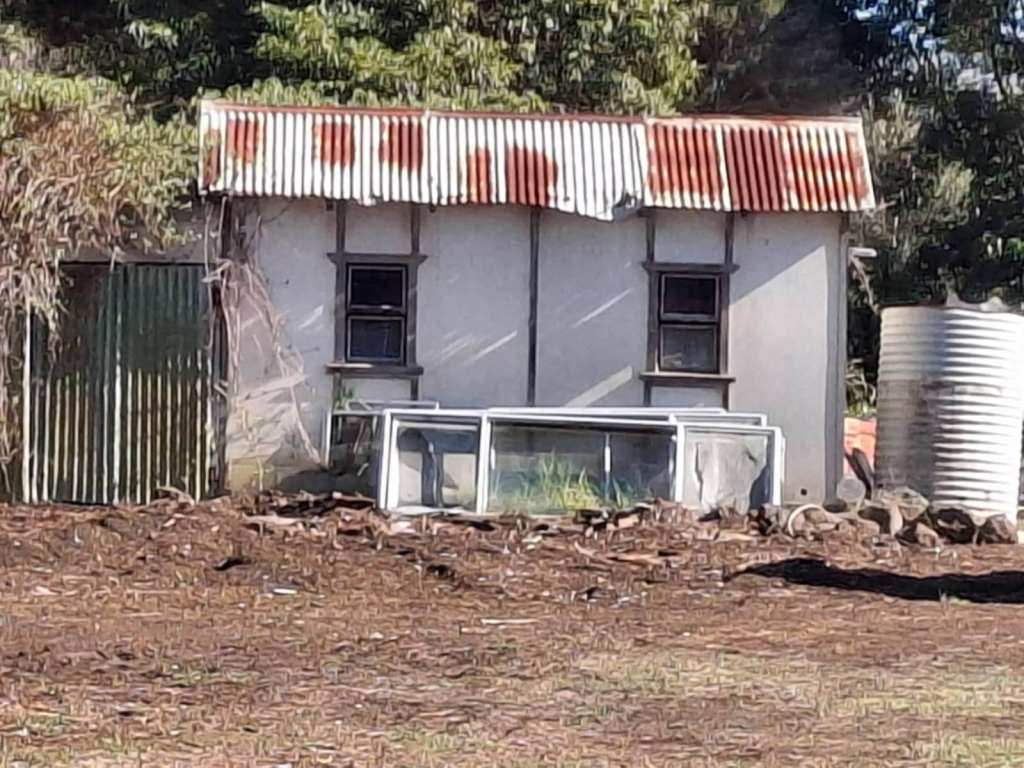
Of Edward and Mary Ann’s ten children, the older ones were educated in Geelong, and when the line of family credit for school fees ran out, the younger ones were schooled at home by these educated older ones. Doris, Russell’s grandmother was the third youngest so received a home education. Edward later moved to Melbourne leaving Mary Ann to care for the property and children. Over time Mary Ann subdivided and gradually sold the property, keeping a block and ‘tiny house’ for herself on Bluff Road (P. Munster, Little of Interest? P. 35). Russell believes he has found the ‘tiny house’ on the north side of Thalatta. Gilbert Street now marks the northern boundary of the original Redcliffs property, and much of the remainder of the land is now the Sea Change Estate. In 2016 Russell was disappointed to find Redcliffs which stood south of Thalatta had been demolished and the block completely cleared, when he returned from holidays that year.
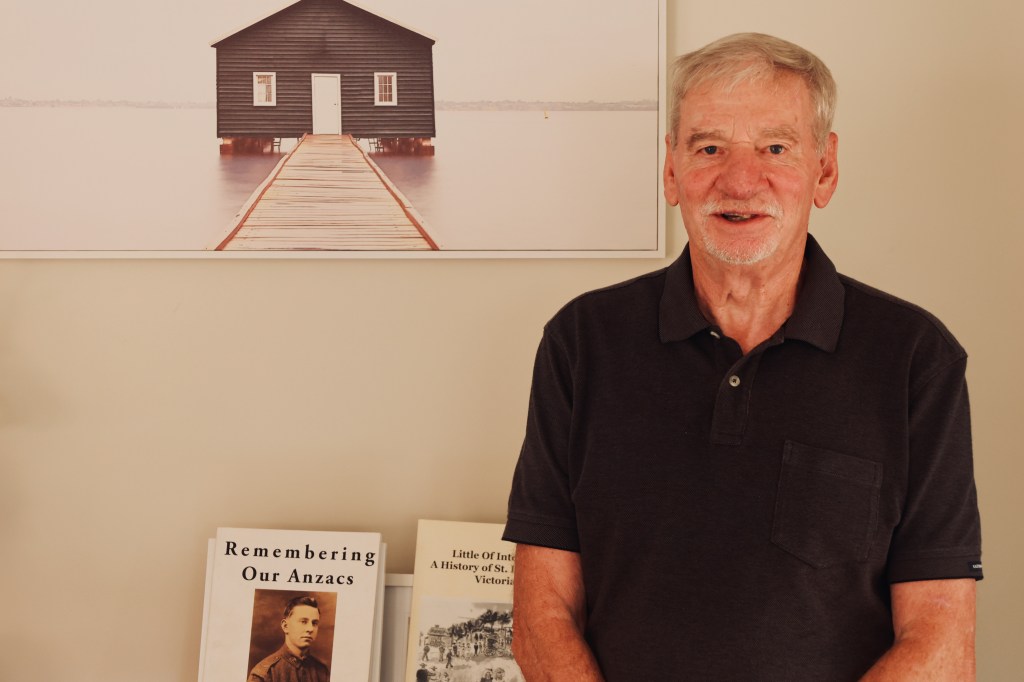
When the First World War was declared three of Edward and Mary Ann’s children – Joseph ‘Arthur’, Charles and James enlisted. They were among thirty seven men who enlisted from St Leonards and surrounds. James was initially passed to serve but later – during rifle practice – was found to be blind in one eye and was subsequently discharged. Arthur aged twenty six enlisted in January 1915 and Charles aged twenty enlisted in September 1915. They were in the same Battalion fighting in France when Arthur was killed in action at Pozieres. He was buried by Charles in ‘no man’s land.’ This is what Charles wrote to their mother soon after from France:
I suppose you got the cable about poor Arthur. I am going to tell you a bit more about it. He was killed on the 7th August. We were attacked by about 500 Germans just at dawn . . .Arthur got a bullet through the leg, and when he was getting in he got another one right through the chest, and it wasn’t long before he died . .. I went out on Friday 11th August and buried him . . . I will never, so long as I live, forget that day . . . (P. Munster, Remembering Our Anzacs, p. 54)
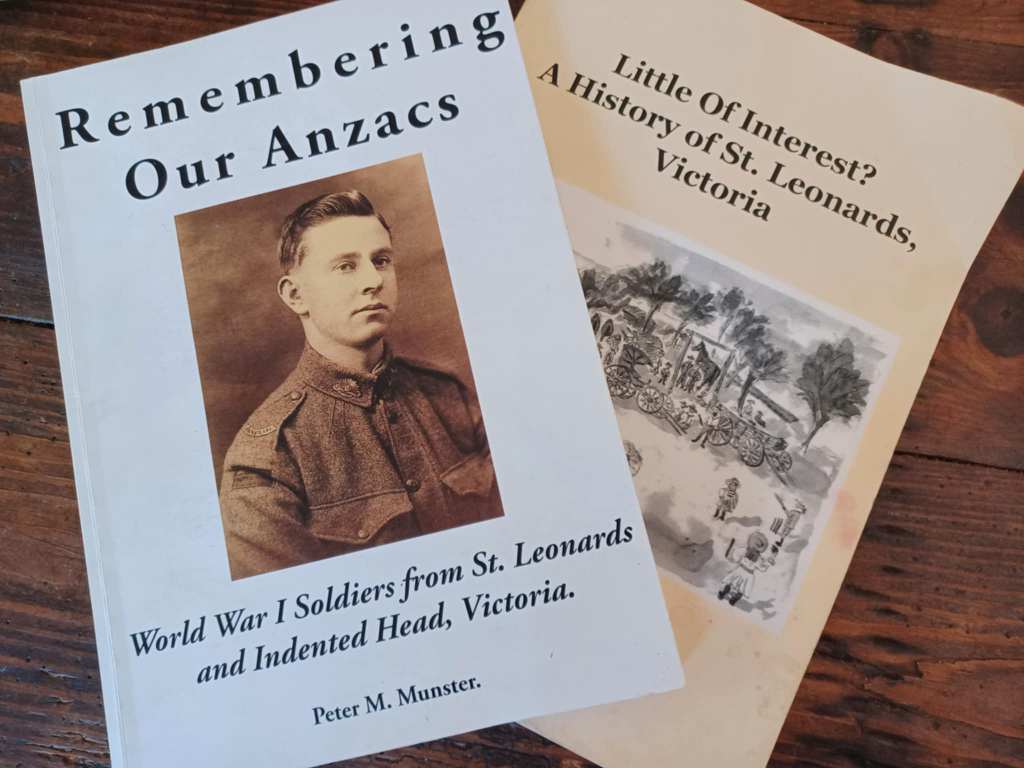
Charles returned to Australia in 1919 and lived the remainder of his life in Geelong. The three brothers are remembered on the St Leonards Memorial Hall Honor Roll, at the Portarlington St Leonards RSL Honour Board and their stories in detail in Remembering Our ANZACS World War 1 Soldiers from St. Leonards and Indented Head, Victoria by Dr. Peter M. Munster 2011. The cover photo is of Pte. Charles Gilbert.

A year after the war ended the third youngest of Edward and Mary Ann’s ten children, and eventually Russell’s grandmother Doris, married Bert Libbis at the St Leonards Anglican Church. They moved to Colac and had three children, one of them Lythe who married Phyllis Ridgeway and together they became parents to Russell and his three siblings.
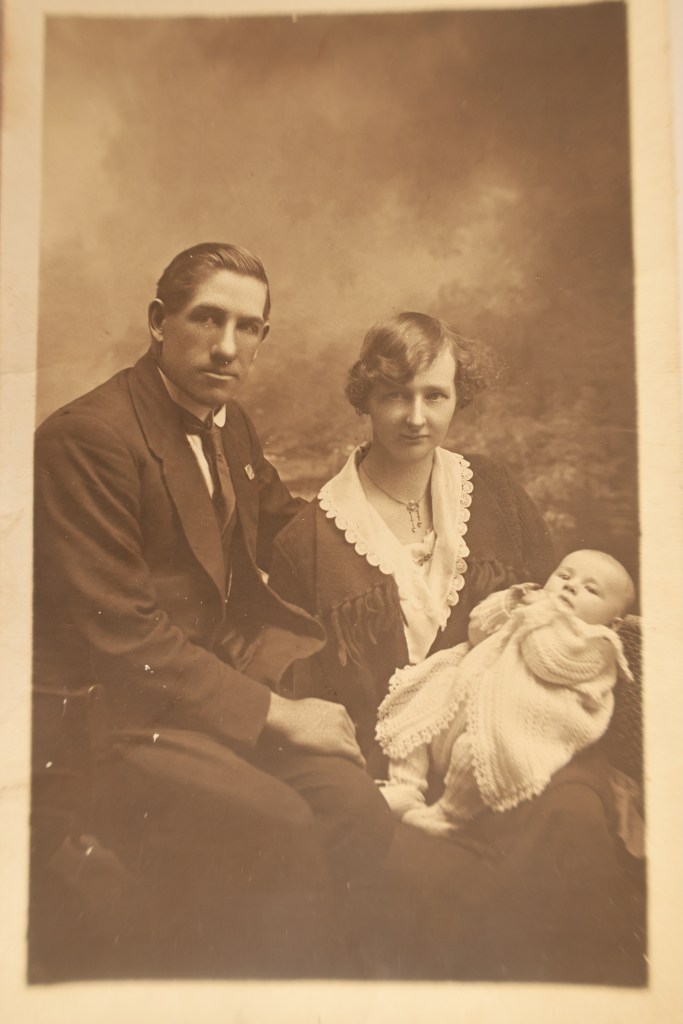
Russell’s grandfather Bert was a gardener and a staunch Collingwood supporter; his Cousin Bill Libbis played in the 1927, 1928, 1929 and 1930 Collingwood Premierships and was named in the team of the century. Bert loved football, followed the Colac Tigers and always took young Russell with him to games at the Colac Western Oval. Suffice to say Russell is a keen Collingwood supporter. Doris died in 1980 at the age of 89. Doris and Bert lived at Colac for the remainder of their lives and are both buried there.
Russell’s parents Lythe and Phylis owned a department store in Colac called ‘Grays’ – the building is still there. When they sold the store Russell’s father went into the real estate business. Though growing up Russell knew about St Leonards, the family always holidayed in Queenscliff where relatives owned a house. At just seventeen Russell left school and got a job in the bank – the Commercial Bank of Sydney or CBC Sydney – which was a career that would take him to Melbourne and last seventeen years. Before leaving Colac however, he met Glenice Ladhams who had moved there from Ballarat with her family; they married, bought a house in Mooroolbark and had two children. Russell left the bank after seventeen years and with Glenice ran a sub-news agency and milk bar in Scoresby for a few years. When the children were in primary school they moved to Geelong. Russell worked in furniture sales. Back then they often come for a drive to St Leonards and some years later then with the children grown up and had left home, Glenice and Russell moved to St Leonards. As fate would have it, they built a home on what was part of the original Gilbert family farm. That was fourteen years ago and they both describe it as the ‘best move we ever made.’
ANZAC Day, ‘means a lot’ to Russell and Glenice. As well as his two great uncles having served in the First World War, Russell ‘s father Lythe served in the Second World War, in Darwin and New Guinea. Glenice’s father Reg Ladhams served in the Royal Australian Navy throughout the Second World War. He served on board destroyers in the Mediterranean Sea, Indian Ocean and Pacific Ocean and many places in between. Glenice and Russell’s son was also in the Navy, he left about twenty years ago. Russell is an avid reader of history, conflicts and peacekeeping and is an immensely proud Australian.
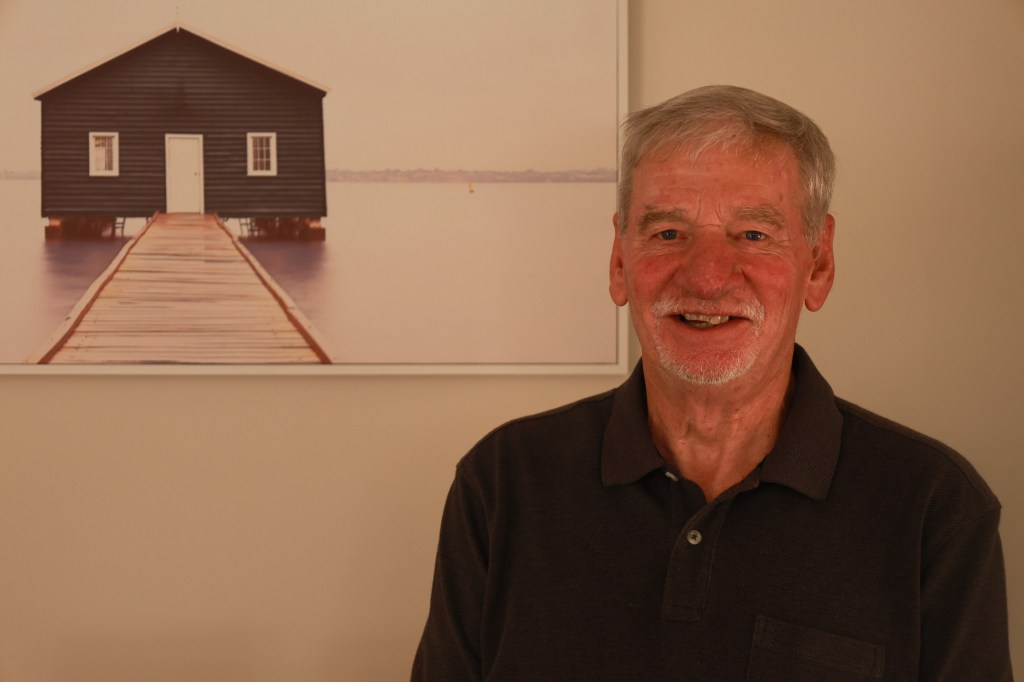
The things Russell and Glenice love about living in St Leonards are almost too numerous to mention – but they are worth mentioning all the same. They live in a close knot community and socialise with neighbours and friends. Their home fronts a park which is a great ‘catch up’ area. There is also catching the Portarlington Ferry – to Collingwood games, table tennis for Russell, coffee group for Glenice and St Leonards Probus for both – Russell is the current President. They are both enthusiastic advocates for the ‘friendship, fellowship and fun’ which is the purpose of Probus and reflected in their numerous outings, trips away, guest speakers and more. Apparently there is still room for a few new members – just.
Humans in St Leonards acknowledges that the story of the Gilbert family, from the time of their arrival in St Leonards to the end of the first World War is a shared one that could be told by many descendants; some who still carry the Gilbert name and some who are also connected through marriages to members of other early St Leonards’ families. In fact a great deal of information was provided by these relatives to the documenting of Dr Peter Muster’s Little of Interest? A History of St Leonards, Victoria and Remembering Our Anzacs which has also provided Russell with a good deal of information about his own family history as well as having been referenced in the writing of this story.
Copies of Remembering Our Anzacs, World War 1 Soldiers from St. Leonards and Indented Head, Victoria2011, and Little Of Interest? A History of St. Leonards Victoria2013 by Peter M. Muster can be purchased at St Leonards Scoops News and Post or through the St Leonards Progress Association.
 Humans in St Leonards